Understanding Woodworms and Their Impact
Woodworms, the larvae of wood-boring beetles, are a common concern for homeowners and industries reliant on wooden structures. Their ability to silently compromise the integrity of wood can lead to significant structural damage. When they infest wooden furniture, beams, or flooring, the consequences can be both costly and catastrophic. In this regard, SHASHEL® technology offers an innovative solution to effectively address these pests without harmful chemicals.
What Are Woodworms and Why Are They a Problem?
Woodworms refer to the larvae of various species of wood-boring beetles, including the common furniture beetle, the deathwatch beetle, and the powder-post beetle. These pests thrive in damp or decaying wood, where they feed and grow, ultimately leaving behind holes as they emerge as adult beetles. Their presence is problematic for numerous reasons:
- Structural Damage: Infestations can compromise the structural integrity of buildings and furniture, leading to costly repairs.
- Value Loss: Antique and valuable wooden items can suffer irreparable damage, significantly reducing their market value.
- Health Risks: In some cases, the dust produced by woodworm activity can exacerbate respiratory issues in individuals sensitive to allergens.
Common Signs of Woodworm Infestation
Identifying a woodworm infestation early can mitigate damage. Key indicators include:
- Small Holes: Pin-sized holes on the surface of wood can signify exit points for adult beetles.
- Wood Dust: Fine sawdust around infested areas indicates active feeding larvae.
- Weakness or Crumbling Wood: Affected wood often becomes soft and weak, making it easy to break apart.
The Lifecycle of Woodworms: Understanding Their Behavior
The lifecycle of woodworms consists of several stages: egg, larva, pupa, and adult. Understanding this lifecycle is essential for effective control:
- Egg Stage: Female beetles lay eggs on or near suitable wood sources.
- Larval Stage: Once eggs hatch, larvae penetrate the wood and begin their feeding, which can last for several years, depending on species and environmental conditions.
- Pupal Stage: After sufficient growth, larvae pupate, preparing for adult emergence.
- Adult Stage: Beetles emerge from wood, mate, and lay eggs, continuing the cycle.
Introduction to SHASHEL® Technology
The SHASHEL® system represents a significant advancement in pest control, utilizing microwave technology to effectively eliminate wood-boring insects. This innovative approach not only addresses woodworm problems but also promotes eco-friendly practices suitable for various environments.
How SHASHEL® Microwave Equipment Works
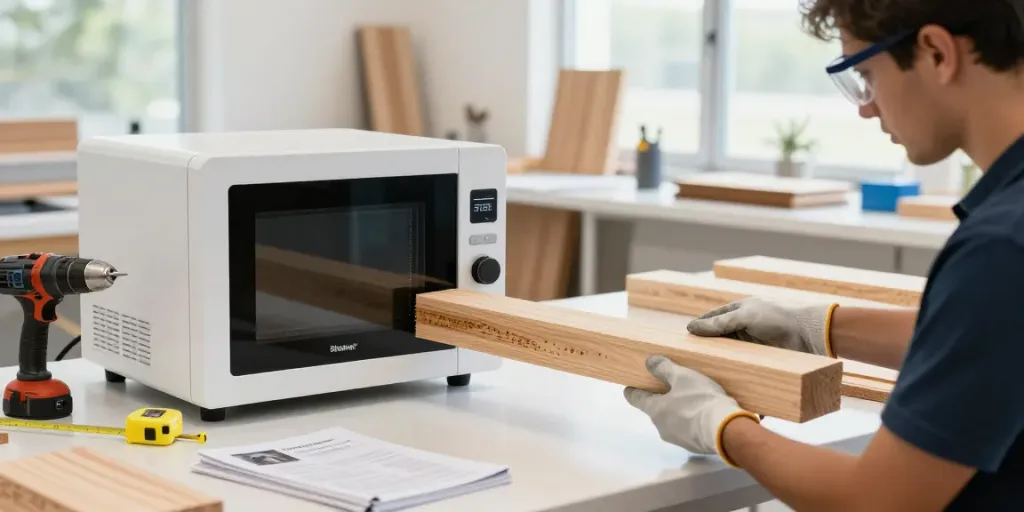
SHASHEL® employs microwave radiation to generate heat within the wood structure, effectively targeting and eliminating larvae, eggs, and adult beetles without the use of toxic chemicals. The equipment penetrates wood deeply, ensuring that even hidden infestations are eradicated. This method not only provides comprehensive treatment but also minimizes the risk of chemical residue damaging wood or affecting indoor air quality.
Advantages of Using SHASHEL® Over Traditional Treatments
Choosing SHASHEL® for woodworm treatment comes with numerous benefits, particularly when compared to traditional chemical-based methods:
- Speed: Elimination of pests can occur in just minutes, drastically reducing downtime and disruption.
- Safety: The absence of harmful chemicals makes this method safe for use in residential and commercial settings alike.
- Effectiveness: SHASHEL® ensures total elimination of pests, including larvae and eggs that might be missed by other treatments.
Safety and Environmental Considerations
The safety of residents and the environment is paramount when selecting pest control methods. SHASHEL® technology is beneficial in this regard, as it avoids the use of hazardous pesticides that can pose risks to health and have negative environmental impacts. This makes SHASHEL® an excellent choice for anyone looking to promote sustainable practices in pest management.
Preparing for Woodworm Treatment with SHASHEL®
Before initiating treatment, proper preparation can maximize the effectiveness of SHASHEL® equipment. Follow these essential steps to ensure a successful elimination process.
Assessment and Identification of Affected Areas
Begin with a thorough inspection of the premises to identify all affected areas. Look for signs of infestation, such as small holes or wood dust, and prioritize treatment locations based on the severity of infestations. Conducting a detailed assessment can help tailor the treatment plan effectively.
Best Practices for Workspace Setup
Establishing a suitable workspace is crucial for the application of SHASHEL® technology. Ensure the following:
- Accessibility: Clear the treatment area of obstacles for safe operation.
- Control of Temperature and Humidity: Ideal conditions can enhance the effectiveness of the microwave treatment.
- Safety Precautions: Ensure that the space is ventilated, and wear protective gear if necessary.
Pre-Treatment Checklist for Optimal Results
A pre-treatment checklist can help confirm that all necessary steps have been taken, including:
- Identification of all infested wood.
- Removal of valuable items from the treatment area.
- Ensuring the microwave equipment is in proper working condition.
Executing Woodworm Elimination with SHASHEL®
Once preparation is complete, you can execute the woodworm treatment effectively with SHASHEL® by following these steps.
Step-by-Step Guide for Using SHASHEL® Equipment
The operation of SHASHEL® equipment is designed to be user-friendly, featuring a straightforward process:
- Setup: Position the microwave device according to the manufacturer's instructions.
- Targeting: Focus the equipment on the infested wood for the recommended duration.
- Monitoring: Observe the treatment process to ensure optimal results.
Monitoring and Evaluating Treatment Efficacy
Post-treatment, it’s important to evaluate the efficacy of the SHASHEL® system. Regularly inspect treated areas for signs of re-infestation and assess the overall condition of the wood. This step ensures that the treatment has been successful and that no additional action is needed.
Common Mistakes to Avoid During Treatment
Avoiding common pitfalls can enhance treatment effectiveness. These include:
- Rushing the process: Allow sufficient time for effective treatment.
- Neglecting hidden areas: Ensure all potential wood sources are treated, including concealed spaces.
- Ignoring safety protocols: Adhere strictly to safety guidelines to protect individuals and the environment.
Future Trends and Innovations in Wood Treatment
The pest control industry is continually evolving, especially concerning technological advancements and sustainable practices. Understanding future trends can help homeowners and professionals stay ahead of woodworm issues.
Emerging Technologies in Pest Control
As technology advances, new pest control methods are emerging that integrate smart technology, automation, and enhanced safety protocols. Innovations in monitoring and treatment mean that future solutions will likely be more efficient and user-friendly, catering to the needs of varying environments.
SHASHEL® and Sustainable Practices in Wood Treatment
SHASHEL® aligns with sustainability goals by promoting chemical-free pest management. This environmentally responsible approach not only protects natural resources but also supports public health efforts by reducing chemical exposure in residential and commercial settings.
Preparing for the Future: Predictions for 2026 and Beyond
As we look toward 2026, it’s anticipated that the demand for more sustainable pest control solutions will continue to rise. Homeowners and businesses alike will increasingly seek out methods that prioritize safety and environmental responsibility, making SHASHEL® technology well-positioned to meet these needs.
What is the process of using SHASHEL® for woodworm elimination?
The process of using SHASHEL® for woodworm elimination involves assessing the infested areas, preparing the workspace, and then applying the microwave treatment according to the operational guidelines provided by the manufacturer. This ensures thorough penetration and eradication of all insect life stages.
How effective is SHASHEL® compared to chemical treatments?
SHASHEL® has proven to be highly effective, often outperforming traditional chemical treatments. It not only eliminates existing infestations but also prevents future outbreaks without the risk of chemical residues, offering a safer alternative for both people and the environment.
Are there specific safety precautions for using SHASHEL® equipment?
Yes, specific safety precautions should be followed, including ensuring proper ventilation in treatment areas and using protective gear as recommended. This minimizes any health risks associated with prolonged exposure to microwave technology.
Can SHASHEL® equipment be used in residential settings?
SHASHEL® equipment is designed for versatility and can safely be used in residential settings, providing homeowners with an effective solution to woodworm infestations without jeopardizing health and safety.
What are the maintenance requirements for SHASHEL® devices?
Routine maintenance for SHASHEL® devices includes regular cleaning, inspection for wear and tear, and ensuring that all components function correctly. Following the manufacturer’s guidelines will prolong the lifespan of the equipment and maintain its effectiveness.