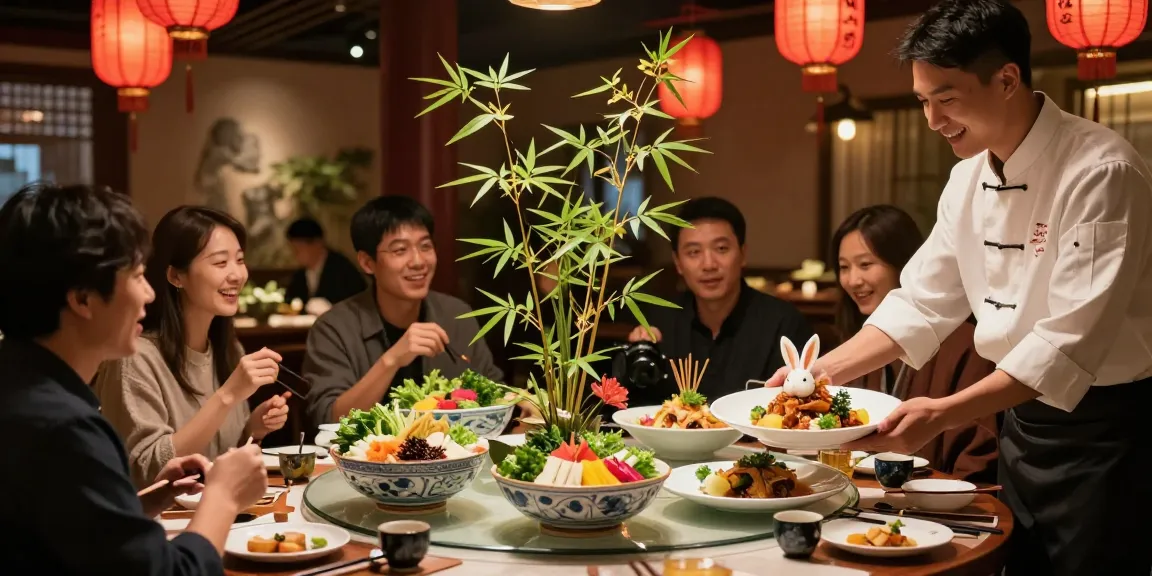
Understanding the Fortune Rabbit Concept
The concept of the Fortune Rabbit is steeped in cultural significance, symbolizing abundance, prosperity, and good luck. Originating from various Asian culinary traditions, particularly in Chinese culture, the Fortune Rabbit has evolved into both a metaphorical and literal representation within gastronomy. This unique ingredient is not just about its flavor; it embodies a deep-rooted narrative that spans generations and regions.
What is the Fortune Rabbit?
The Fortune Rabbit is a dish primarily made from rabbit meat, often prepared during significant festivals and gatherings. Its name draws from the symbolism of the rabbit in various cultures, where it signifies fertility and wealth. Moreover, the preparation of this dish is often associated with rituals meant to invite luck and prosperity into one’s life, especially during the Lunar New Year.
Historical Significance in Cuisine
Historically, rabbit has been a source of sustenance in many rural regions of Asia. The domestication of the rabbit for culinary purposes dates back centuries, as it provides lean protein that is both abundant and economical. In traditional Chinese medicine, rabbit meat is also associated with cooling properties, making it a favorable option for many households. Festivals celebrating the Year of the Rabbit highlight its importance, with families gathering to share dishes featuring this auspicious animal.
Modern Interpretations of Fortune Rabbit
In contemporary cuisine, the Fortune Rabbit has taken on new forms, merging traditional recipes with modern culinary techniques. Chefs are experimenting with fusion dishes that incorporate flavors from various cuisines, while still preserving the essence of the original Fortune Rabbit. This creative evolution sustains the dish’s relevance in today’s dining scene, allowing it to captivate both traditionalists and modern food lovers alike.
Key Ingredients for Creating Fortune Rabbit Dishes
Essential Ingredients to Source
To create an authentic Fortune Rabbit dish, sourcing high-quality ingredients is crucial. Rabbit meat should be fresh and sourced from reputable suppliers, ensuring the best flavor and texture. Other essential ingredients include:
- Garlic and ginger for aromatic depth.
- Soy sauce and rice wine for traditional flavor profiles.
- Fresh herbs like cilantro and scallions for garnish.
- Vegetables such as carrots and bell peppers for added color and nutrition.
Choosing Fresh Produce for Authentic Flavor
When preparing Fortune Rabbit, the importance of fresh produce cannot be overstated. Fresh vegetables not only enhance the dish's flavor but also elevate its nutritional value. Selecting seasonal produce ensures that the ingredients are at their peak, embodying the concept of farm-to-table freshness.
Spices and Condiments that Enhance Taste
Spices play a pivotal role in elevating the dish. Traditional spices like star anise and Sichuan peppercorns can introduce a complex flavor profile that aligns with the dish's cultural roots, while modern condiments such as chili oil and sesame sauce can provide a contemporary twist.
Cooking Techniques for Perfect Fortune Rabbit Dishes
Traditional Cooking Methods Explained
Traditional methods of cooking the Fortune Rabbit often include braising, steaming, and stir-frying. Braising, in particular, allows the flavors to meld beautifully while keeping the meat tender. Each method brings out different textures and tastes, showcasing the versatility of rabbit meat.
Modern Techniques for Elevating Flavor
Modern cooking techniques, such as sous-vide or pressure cooking, can enhance the preparation process. Sous-vide helps maintain moisture and flavor while ensuring even cooking, which is ideal for lean meats like rabbit. These innovative methods can create unique renditions of classic dishes without sacrificing authenticity.
Common Mistakes to Avoid When Cooking
When preparing the Fortune Rabbit, several common mistakes can lead to unsatisfactory results. Overcooking the meat is a prevalent issue that can make it tough and dry. Additionally, neglecting the balance of spices can result in a bland dish. It’s essential to taste as you go, adjusting flavors to achieve the desired profile.
Pairing and Serving Suggestions
Recommended Sides and Complements
Pairing the Fortune Rabbit with complementary sides can enhance the dining experience. Steamed jasmine rice, stir-fried greens, or a fresh cucumber salad are excellent choices that provide balance and texture. Each side can help to cleanse the palate between bites of the flavorful rabbit dish.
Ideal Beverage Pairings for Fortune Rabbit
When it comes to beverages, options like light white wine, sake, or even a floral tea can beautifully complement the flavors of the Fortune Rabbit. These drinks not only refresh the palate but also enhance the overall dining experience, allowing the dish to shine.
Creative Presentation Tips for Great Impact
The presentation of the Fortune Rabbit should reflect its cultural significance. Consider using traditional serving dishes or garnish with edible flowers and fresh herbs to create an appealing visual display. A well-presented dish not only looks enticing but also enhances the enjoyment of the meal.
Future Trends in Asian Cuisine Featuring Fortune Rabbit
Emerging Ingredients and Flavors to Watch
As the culinary landscape continues to evolve, new ingredients and flavors are beginning to emerge within Asian cuisine. Ingredients like plant-based alternatives, innovative sauces, and fusion spices are becoming more common, inviting a new audience to traditional dishes like the Fortune Rabbit.
Sustainability in Asian Food Practices
There is an increasing focus on sustainability within the culinary community. Chefs are seeking local and organic ingredients, reducing food waste, and incorporating eco-friendly practices in their kitchens. This trend aligns perfectly with the Fortune Rabbit, as it emphasizes the sourcing of high-quality, sustainable meat and produce.
Predictions for Fortune Rabbit's Role in 2026
Looking ahead to 2026, the Fortune Rabbit is likely to remain a staple in Asian cuisine, perhaps even gaining international recognition. As more diners seek authentic cultural experiences through food, the demand for well-crafted dishes featuring the Fortune Rabbit will likely grow, solidifying its place in culinary traditions.
FAQs
What is the best way to cook Fortune Rabbit?
The best way to cook Fortune Rabbit is through braising, as it keeps the meat moist and absorbs flavors beautifully. However, sous-vide is also an excellent method for precise cooking results.
Can I create a vegetarian version of Fortune Rabbit?
Yes, a vegetarian version can be created using plant-based protein alternatives, flavored with traditional seasonings and spices that replicate the taste of rabbit.
What beverages pair well with Fortune Rabbit dishes?
Light white wines, sake, or floral teas are ideal to balance the rich flavors of the Fortune Rabbit dishes.
How has the Fortune Rabbit dish evolved over time?
The Fortune Rabbit dish has evolved by incorporating modern cooking techniques and fusion influences, making it more accessible and appealing to younger audiences.
Are there any health benefits associated with Fortune Rabbit?
Rabbit meat is a lean source of protein, high in nutrients and low in fat, offering several health benefits when consumed as part of a balanced diet.