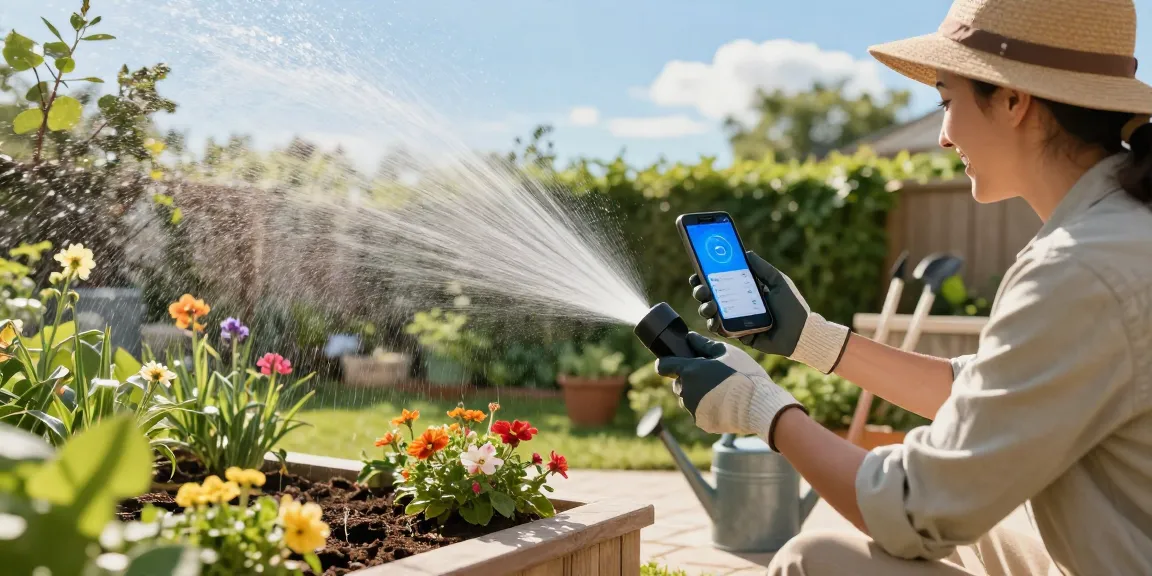
Understanding Smart Sprinklers: The Future of Efficient Irrigation
As we move into an era where technology and sustainability converge, smart sprinkler systems are becoming essential tools for gardeners and landscapers alike. These advanced irrigation solutions not only make the task of watering your garden more efficient but also ensure that water is used responsibly and sustainably. Whether you're a seasoned garden enthusiast or just starting, understanding the capabilities and advantages of smart sprinklers can transform your gardening experience.
What is a Smart Sprinkler?
A smart sprinkler is an automated irrigation system equipped with advanced technology that allows for remote operation, scheduling, and monitoring of watering activities. These systems typically connect to a smartphone app or smart home network, enabling users to control their watering schedules from anywhere. Smart sprinklers utilize sensors that measure soil moisture and weather conditions, ensuring that your plants receive the optimal amount of water at the right time.
Key Features of Smart Sprinklers
- Automatic Scheduling: Users can set specific times and durations for watering, which helps reduce water waste.
- Weather Adjustment: Many models can access weather forecasts and adjust watering schedules accordingly, preventing unnecessary watering during rainy days.
- Soil and Moisture Sensors: These sensors monitor soil moisture levels, ensuring that watering occurs only when needed.
- Remote Control: Most smart sprinklers can be accessed via a mobile app, allowing you to manage your system from anywhere.
- Data Tracking: Users can track water usage and efficiency, allowing for adjustments to further conserve water.
Benefits to Sustainable Gardening Practices
Integrating smart sprinklers into your gardening routine offers numerous benefits, particularly in promoting sustainable gardening practices. By minimizing water waste, these systems contribute to environmental conservation efforts. They help in maintaining plant health and growth, as over or under-watering can lead to plant stress or disease. Furthermore, the data collected by smart sprinklers can offer insights that aid gardeners in making better plant care decisions.
Selecting the Right Smart Sprinkler for Your Garden
Choosing the right smart sprinkler requires an understanding of your garden's specific needs and the features offered by different models. The market is filled with options that cater to various plant types, garden sizes, and watering requirements. Researching and comparing these options will help you find the perfect fit for your gardening routine.
Assessing Your Garden’s Unique Watering Needs
Before selecting a smart sprinkler, evaluate your garden's specific needs. Consider factors like the size of your garden, the types of plants you grow, and the existing irrigation layout. For example, a larger garden with diverse plant life may necessitate a more advanced system with multiple zones and sensors. Conversely, a smaller garden may only require a basic model with simple scheduling options.
Comparing Smart Sprinkler Models: What to Look For
When comparing smart sprinkler models, key features to consider include:
- Control options: Look for models with both app and manual control.
- Sensor capabilities: Ensure the model includes soil moisture sensors for optimal efficiency.
- Zone control: If your garden has different types of plants with varying watering needs, choose a model that allows for multi-zone control.
- Ease of installation: Some models are easier to set up than others, so check reviews for installation tips.
Integrating Smart Sprinklers into Existing Irrigation Systems
If you already have an irrigation setup, you can often integrate a smart sprinkler into your existing system. Many smart sprinklers are designed to work with conventional hoses and sprinkler heads, making the transition smoother. Ensure compatibility with your current system, and consider consulting with an irrigation professional for tailored advice.
Setting Up Your Smart Sprinkler: A Step-by-Step Guide
Setting up a smart sprinkler can initially seem daunting, but following a structured approach can simplify the process. Here is a step-by-step guide to help you get started.
Preparing Your Garden for Automation
Before installation, take the time to prepare your garden. Clear any debris, check your watering system for leaks, and identify the areas that require the most attention. Consider marking zones for different plant types to help tailor your watering schedule effectively.
Connecting Your Smart Sprinkler to Wi-Fi and Smart Devices
Once your area is prepared, the next step is to connect your smart sprinkler to your home's Wi-Fi network. Follow the manufacturer's instructions to pair your device with the corresponding mobile app. Most smart sprinklers include troubleshooting tips for common connectivity issues.
Programming Your Smart Sprinkler for Optimal Use
After connecting, program your smart sprinkler by setting schedules that align with your garden’s watering needs. Use the app's features to adjust settings based on moisture readings and weather forecasts. Regularly reviewing and updating these settings will optimize both plant health and water conservation.
Maintaining Your Smart Sprinkler: Ensuring Longevity and Efficiency
Like any technology, maintaining your smart sprinkler is crucial for ensuring its longevity and efficiency. Regular checks and updates can prevent issues from arising that could hinder performance.
Routine Maintenance Tips for Smart Sprinklers
- Check for Leaks: Regularly inspect hoses, fittings, and connectors for leaks and repairs.
- Clean Filters and Nozzles: Dirt and debris can clog nozzles, so cleaning them periodically will enhance performance.
- Update Software: Keep the mobile app and sprinkler firmware updated to access new features and improvements.
Troubleshooting Common Smart Sprinkler Issues
If you encounter issues, consult the troubleshooting section of the user manual. Common problems include connectivity issues, incorrect watering schedules, and sensor malfunctions. Many manufacturers offer customer support or online forums for additional help.
When to Upgrade Your Smart Sprinkler Technology
As technology advances, it might be time to consider upgrading your smart sprinkler system. Signs that you may need to upgrade include frequent connectivity issues, lack of support for new features, or if your watering needs have outgrown your current system. Upgrading can provide enhanced efficiency and convenience.
The Future of Gardening: Trends in Smart Irrigation for 2026
As we look toward the future, gardening technology is expected to evolve even further. Smart irrigation systems will play a pivotal role in sustainable gardening practices.
Emerging Technologies in Smart Sprinklers
Future innovations may include advanced AI algorithms that predict watering needs based on plant growth stages and historical weather data. Additionally, integration with other smart home devices could lead to more seamless automation of gardening tasks.
Environmental Impacts and Water Conservation Efforts
As environmental concerns continue to grow, smart sprinklers will be essential in promoting water conservation. They can help reduce the amount of water consumed in gardening and landscaping, contributing to broader sustainability goals.
Community Engagement in Smart Gardening Practices
In 2026, we can expect an increase in community engagement around smart gardening practices. Online forums and local workshops will provide gardeners with the opportunity to share experiences, tips, and best practices for utilizing smart irrigation effectively.
What are the advantages of using a smart sprinkler?
Smart sprinklers offer numerous advantages, including reduced water consumption, customized watering schedules, and improved plant health. They also save time and effort by automating the watering process.
How does a smart sprinkler save water?
By using sensors to monitor soil moisture and using weather data to adjust schedules, smart sprinklers prevent overwatering and ensure that water is used efficiently.
Can I control my smart sprinkler remotely?
Yes, most smart sprinklers feature mobile apps that allow you to control and monitor your watering system from anywhere, providing convenience and flexibility.
What types of plants benefit most from smart sprinklers?
While almost all plants can benefit, smart sprinklers are particularly advantageous for gardens with diverse plant species that have varying watering needs, as they can be programmed for different zones.
Are smart sprinkler systems easy to install?
Many smart sprinkler systems are designed for easy installation, often requiring just a few simple steps. However, complexity can vary based on the system and existing irrigation setup.