Understanding Coffee Brewing Techniques
Brewing coffee is an art as much as it is a science, requiring a careful balance of technique, timing, and equipment to create that perfect cup. Whether you are a casual drinker or a dedicated aficionado, understanding the intricacies of brewing can elevate your coffee experience significantly. When exploring options, https://tomorocoffee.com offers comprehensive insights into various brewing methods and their impact on flavor. In this guide, we will delve into what makes a great brew and explore the key brewing methods that can enhance your coffee enjoyment.
What Makes a Great Brew?
A great cup of coffee is influenced by several factors: the quality of the beans, grind size, water temperature, and brewing time. To begin, using freshly roasted coffee beans can significantly enhance the flavor profile. The origin of the beans also plays a crucial role; for instance, Ethiopian coffee is typically fruity and floral, while Colombian coffee is known for its balanced, nutty notes.
The grind size further influences extraction rates. A finer grind allows for quicker extraction, often leading to a more intense flavor, while a coarser grind results in a milder cup. Additionally, aiming for the correct water temperature—ideally between 195°F and 205°F—ensures optimal extraction without scorching the beans.
Exploring Various Brewing Methods
There are several popular brewing methods, each providing unique flavors and aromas. Here are some of the most notable:
- Drip Coffee Maker: One of the most common household brewing methods, drip coffee makers allow for convenience without sacrificing quality. It uses a simple process of pouring hot water over ground coffee.
- French Press: This method is renowned for producing a rich, full-bodied cup. It involves steeping coarse coffee grounds in hot water before pressing them down with a plunger.
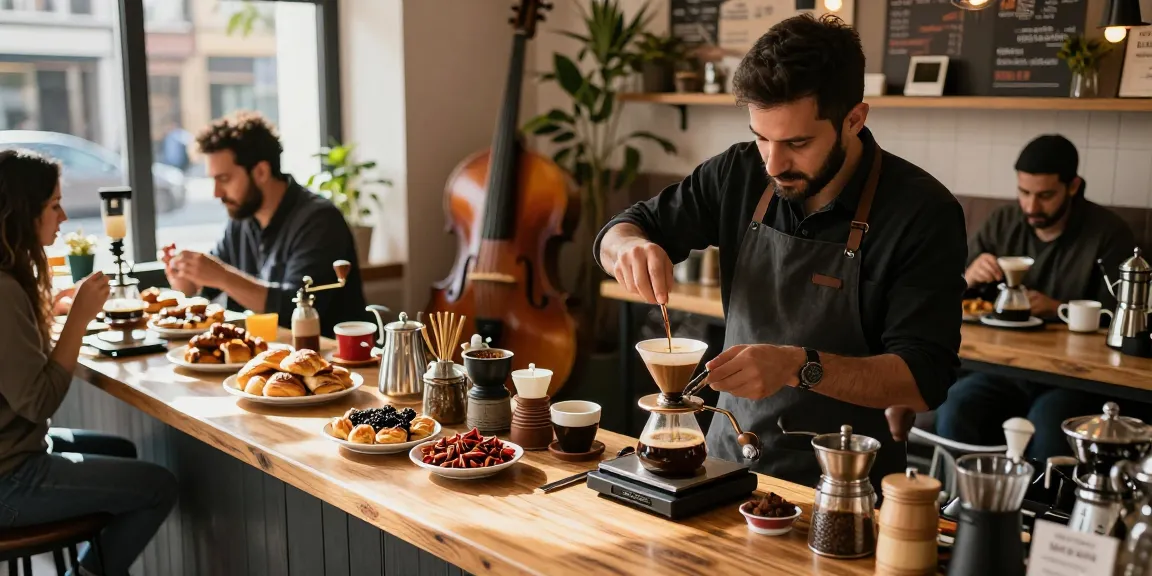
- Pour-Over: Popular among coffee enthusiasts, this method offers precise control over brewing variables. By manually pouring water over coffee grounds, you can enhance the extraction process and produce a cleaner cup.
- Aeropress: A relatively modern invention, the Aeropress combines pressure and immersion brewing, resulting in a concentrated and flavorful coffee.
Common Misconceptions About Coffee
Despite being one of the world’s most beloved beverages, many misconceptions surround coffee brewing. One common myth is that dark roasts inherently contain more caffeine than lighter roasts; in reality, lighter roasts often have slightly higher caffeine content. Another misconception is that adding sugar or cream to coffee masks its flavor; however, when used in moderation, these additives can accentuate certain flavor profiles.
The Science of Coffee Extraction
How Water Temperature Affects Flavor
The temperature of the water used in brewing coffee is paramount to achieving the ideal taste. Too hot, and you risk over-extraction, leading to bitter flavors; too cold, and you might under-extract, resulting in a sour cup. The delicate balance of temperature plays a critical role in the extraction of oils and compounds that contribute to coffee's flavor profile.
Time Factors in Brewing Coffee
Brewing time is another vital factor influencing coffee taste. Different methods require varying brew times for optimal extraction. For example, a French press generally requires a steeping time of around four minutes, while a pour-over might only take two to three minutes. Understanding these time requirements is essential for brewing consistently great coffee.
Grind Size and Its Impact on Extraction
The size of the coffee grounds greatly affects how water interacts with them during brewing. Finer grinds increase the surface area for extraction but can lead to over-extraction if left too long in contact with water. Conversely, coarser grinds may not extract enough flavor, especially in shorter brew times. Experimenting with grind sizes can help you find the optimal balance for your brewing preference.
Essential Equipment for Home Brewing
Recommended Tools for Beginners
For those new to coffee brewing, starting with the right equipment can simplify the process and enhance results. Here are essential tools:
- Quality Coffee Grinder: A burr grinder is preferable for consistency in grind size.
- Brewing Device: Depending on your preference, choose from drip machines, French presses, or pour-over setups.
- Scale: Precision in measurement can significantly affect the outcome, making a scale a worthy investment.
Advanced Equipment for Enthusiasts
As your skills develop, you might consider upgrading your coffee-making arsenal. Here are some advanced tools:
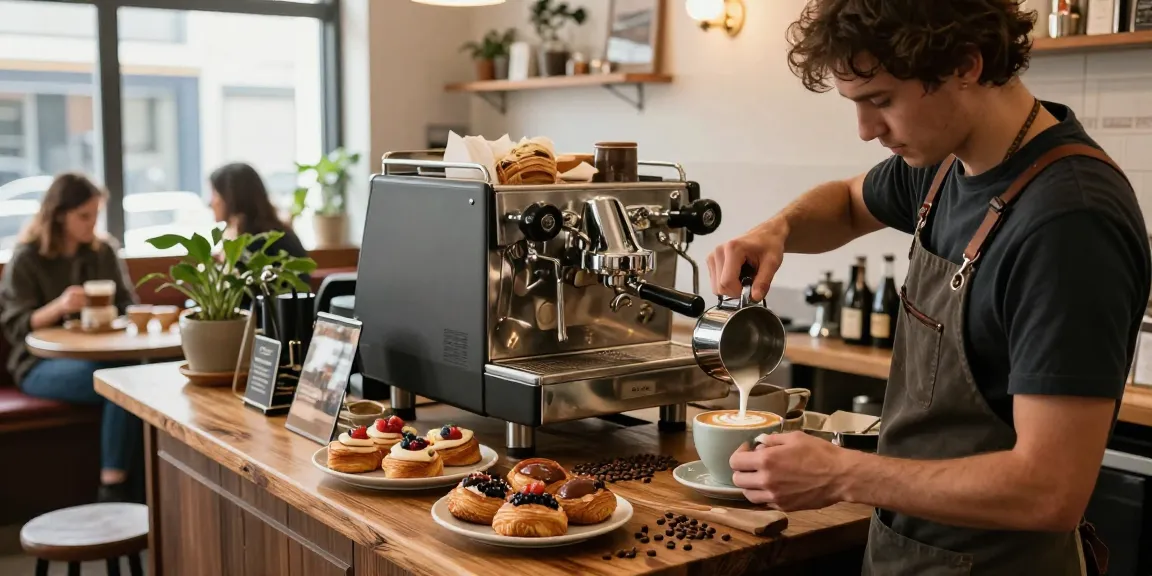
- Espresso Machine: For those desiring cafe-quality espresso at home, investing in a solid espresso machine can be worthwhile.
- Cold Brew Maker: This allows you to create smooth and refreshing cold brew coffee at home, perfect for warmer months.
- Milk Frother: Ideal for making lattes or cappuccinos, a milk frother adds an extra touch to your coffee creations.
Maintenance Tips for Longevity
To ensure your coffee equipment lasts, regular maintenance is crucial. Clean your grinder and brewer after each use to prevent oil buildup. Descaling your machine periodically helps maintain its performance, especially in areas with hard water. Lastly, invest in high-quality filters to enhance the purity of your brewed coffee.
The Future of Coffee Consumption
Trends in Sustainable Coffee Sourcing
As coffee consumers become more environmentally conscious, the demand for sustainably sourced coffee is on the rise. Many brands are now focusing on direct trade practices, ensuring that farmers receive fair compensation while promoting biodiversity. Additionally, certifications such as Fair Trade and Rainforest Alliance are becoming increasingly important to discerning consumers.
Predictions for Coffee Industry Innovations in 2026
Looking ahead, the coffee industry is poised for several innovations aimed at enhancing both flavor and sustainability. Advances in agricultural technologies could lead to more resilient coffee varieties, while new brewing methods may allow for greater flavor extraction. Moreover, the integration of artificial intelligence in coffee brewing could revolutionize how we prepare our coffee, allowing for precision and customization.
The Role of Technology in Coffee Brewing
As technology continues to evolve, it inevitably influences how we brew coffee. Smart coffee makers that connect to apps for customizable settings are already hitting the market, and this trend is likely to expand. Expect to see advancements that allow for remote brewing and precise control over brewing parameters, making it easier than ever to enjoy a perfect cup of coffee at any time.
Practical Tips for Coffee Lovers
Perfecting Your Home Brewing Techniques
To master the art of coffee brewing at home, practice is essential. Start by experimenting with different beans and brewing methods to find your preferences. Keeping a brewing journal can help you track your experiments and refine your techniques over time.
Pairing Coffee with Food: A Guide
Understanding how different coffee flavors complement various foods can enhance your dining experience. For instance, a bright, fruity coffee pairs well with light pastries, while a bold, chocolaty brew beautifully complements desserts like brownies. Taking the time to explore these pairings can elevate both your coffee and meal enjoyment.
How to Host a Coffee Tasting Event
Hosting a coffee tasting event can be a fantastic way to share your passion with friends. Prepare a variety of coffee from different regions and brewing methods, and provide tasting notes for guests. Encourage them to notice flavor differences and make it interactive by allowing participants to vote on their favorites.
What are the best brewing methods for home coffee?
While preferences vary, popular brewing methods for home coffee include the French press for full-bodied flavor, pour-over for its clarity, and drip coffee for convenience.
How does grind size influence flavor in coffee?
Grind size affects extraction: finer grinds extract more quickly and intensely, while coarser grinds may yield milder flavors, making it crucial to find the right size for your chosen brewing method.
What equipment do I need to brew coffee like a professional?
To brew coffee like a professional, invest in a quality grinder, a precise brewing device, and a scale for measurement. Optional items like a milk frother or espresso machine can enhance your skills further.
How can I make my coffee more sustainable?
To make your coffee consumption more sustainable, look for brands that prioritize direct trade, fair trade, and environmentally friendly practices. Reducing plastic waste by using reusable filters and cups is also beneficial.
What future trends should coffee drinkers be aware of?
Future trends for coffee drinkers include a focus on sustainability, technological innovations in brewing, and a growing interest in specialty coffees with unique flavor profiles.