Understanding Vision Correction
Vision correction procedures have become an increasingly vital aspect of eye care in today's world. As lifestyles evolve and visual demands escalate, the need for effective solutions to common eye problems grows more significant. Whether you are dealing with nearsightedness, farsightedness, astigmatism, or presbyopia, understanding the available vision correction options can drastically improve your quality of life. At the SNU Eye Clinic, we prioritize your eye health and provide tailored solutions to meet diverse needs. When exploring options, Vision Correction offers comprehensive insights that can guide your decisions effectively.
What is Vision Correction?
Vision correction refers to a variety of treatments designed to improve visual acuity or restore normal vision. This can involve surgical procedures, prescription eyewear like glasses and contact lenses, or refractive surgery techniques. The primary goal is to enhance the quality of vision, allowing individuals to perform everyday activities more effectively. Depending on the specific visual impairments and personal preferences, different correction methods may be more suitable for different patients.
Common Vision Problems and Their Solutions
Several common vision problems can significantly affect daily life, including:
- Nearsightedness (Myopia): A condition where close objects are clear, but distant objects appear blurry. Common solutions include glasses, contact lenses, and refractive surgeries like LASIK.
- Farsightedness (Hyperopia): In this case, distant objects may be clear, while close objects are not. Treatment options often involve corrective lenses or surgical interventions.
- Astigmatism: This condition results from an irregularly shaped cornea, leading to blurred or distorted vision. Corrective lenses or surgical options like Toric ICL can effectively address astigmatism.
- Presbyopia: A natural part of aging, presbyopia affects the ability to focus on close objects. Bifocals, multifocal contact lenses, or surgical procedures are standard solutions.
The Importance of Professional Assessment
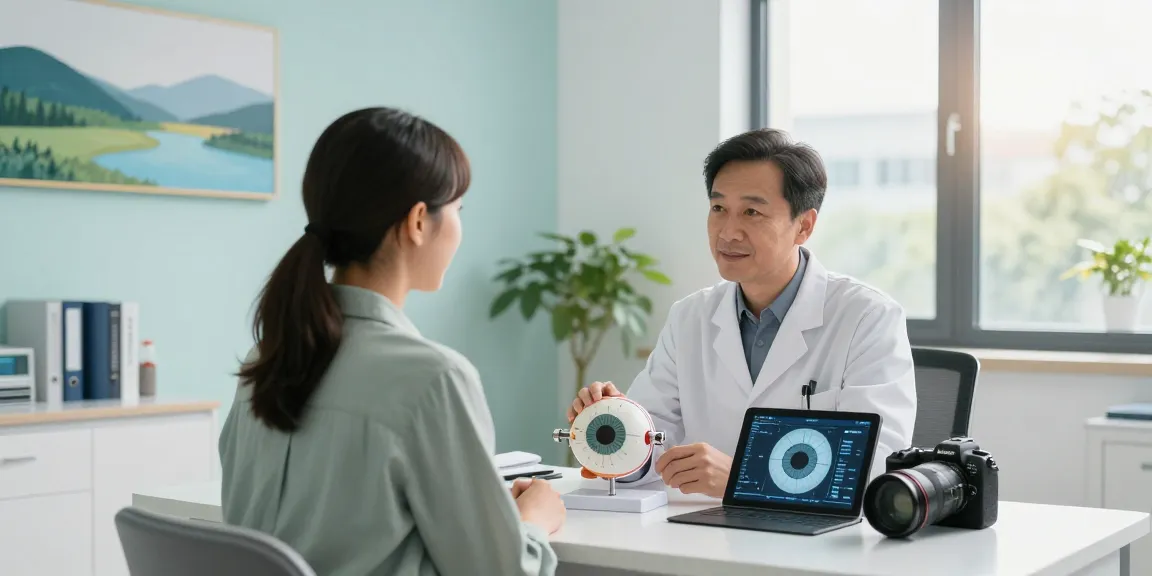
Before undergoing any vision correction procedure, it's crucial to have a thorough professional assessment. Eye care specialists utilize advanced diagnostic tools to evaluate the health of your eyes and determine the most suitable treatment options. At the SNU Eye Clinic, we conduct comprehensive examinations, including a series of detailed tests, to assess your specific needs effectively.
Key Treatments Available at SNU Eye Clinic
At SNU Eye Clinic, we pride ourselves on offering a wide range of innovative treatments tailored to individual patient needs. Our commitment to high-quality eye care is evidenced by our extensive range of services, including a program comprising 52 detailed tests across seven categories, aimed at ensuring every aspect of your vision health is assessed.
Overview of 52 Detailed Tests
Our comprehensive testing program is designed to diagnose and monitor various eye conditions accurately. The 52 detailed tests cover essential areas such as visual acuity, refractive errors, eye pressure, and retinal health. This thorough assessment allows our specialists to create a tailored vision correction plan that addresses your unique visual requirements.
ICL and Toric ICL: Advanced Options
For patients seeking advanced vision correction, the Implantable Collamer Lens (ICL) and Toric ICL options are available. ICL is an excellent choice for individuals with high degrees of nearsightedness or those who may be unsuitable for LASIK. The Toric ICL specifically addresses astigmatism, providing clear vision for those affected by this condition. Both options offer a permanent solution and can significantly enhance the quality of life.
Personalized 1:1 Vision Correction Approaches
At our clinic, we emphasize personalized care through 1:1 vision correction approaches. Our dedicated specialists work closely with each patient to understand their specific vision challenges and lifestyle requirements, ensuring that each treatment plan is uniquely crafted. This personalized attention not only enhances the effectiveness of the correction but also ensures that the patient feels supported throughout their journey.
The Patient Experience: What to Expect
Understanding what to expect during your journey at SNU Eye Clinic can help alleviate any apprehensions about the process. We strive to create a comfortable environment where you feel informed and confident about your vision correction journey.
Initial Consultation and Eye Examination
The first step in your experience is an initial consultation, where our specialists will conduct a comprehensive eye examination. This involves assessing your overall eye health, discussing your vision-related concerns, and determining appropriate treatment options based on your needs. Our team will take the time to ensure that you understand every step of the process, enabling you to make informed decisions.
Understanding the Treatment Plan Tailored to You
Once the assessment is complete, your eye doctor will present a detailed treatment plan tailored to your specific vision correction needs. This plan will outline the recommended procedure, expected outcomes, and any pre- or post-operative care required. Open communication with our team is encouraged, allowing you to express any questions or concerns you may have.
Post-Surgery Care and Recovery Process
Post-surgery care is crucial for optimal recovery after any vision correction procedure. Your medical team will provide detailed instructions on how to care for your eyes, manage any discomfort, and promote healing. Regular follow-up appointments will be scheduled to monitor your progress and ensure that you achieve the best possible results.
Why Choose SNU Eye Clinic for Your Vision Correction Needs
Choosing the right clinic for your vision correction is vital. At SNU Eye Clinic, we have established a reputable track record in eye care, marked by our commitment to excellence, safety, and innovation.
Proven Track Record: Over 50,000 Surgeries Completed
With over 50,000 surgeries completed, SNU Eye Clinic boasts a proven track record of success in various vision correction procedures. Our experience allows us to refine our techniques continuously, ensuring that each patient receives the highest standard of care and results.
State-of-the-Art Technology and Facilities
We utilize state-of-the-art technology and facilities to guarantee the best outcomes for our patients. Our advanced diagnostic and surgical equipment ensures precise assessments and minimally invasive procedures, resulting in faster recovery times and improved experiences.
Expert Team with Specialized Medical Fields
Our expert team comprises skilled ophthalmologists and specialists in various medical fields dedicated to eye care. Each team member is committed to ongoing education and staying current with the latest advancements in eye surgery and vision correction techniques. This expertise enables us to provide exceptional care tailored to individual patient needs.
Future Trends in Vision Correction for 2026 and Beyond
The field of vision correction is continuously evolving, with promising advancements expected in the coming years. As technology progresses, patients can look forward to more effective and less invasive treatments.
Innovations in Eye Care Technology
Emerging technologies are set to revolutionize eye care by offering innovative solutions that enhance patient outcomes. For instance, advancements in laser technology and artificial intelligence are expected to improve the precision and safety of surgical techniques, making vision correction procedures more accessible and effective.
Emerging Treatments and Techniques
In 2026 and beyond, we may see the development of new treatment modalities, such as customized lenses and gene therapy aimed at correcting hereditary vision problems. These innovations hold the potential to transform the landscape of vision correction, providing patients with options that are tailored to their unique needs and ocular conditions.
Enhancing Patient Outcomes through Data-Driven Practices
Data-driven practices are becoming an integral part of the eye care industry. By leveraging patient data and analytics, we can improve surgical techniques, predict patient outcomes more accurately, and customize treatment plans based on individual responses. This shift towards personalized medicine is set to enhance the overall patient experience and satisfaction.
What is the best age to consider vision correction?
The optimal age for vision correction varies depending on individual vision needs. Generally, many begin considering corrective surgery in their late teens to early twenties, but others may require options later in life, particularly as presbyopia develops.
Are there risks involved with ICL or Toric ICL?
As with any surgical procedure, ICL and Toric ICL come with potential risks, including infection, intraocular pressure changes, or lens-related issues. However, these risks are typically minimal when performed by qualified professionals.
How long does the recovery process take?
Recovery time varies by individual and procedure, but many patients experience improved vision within a few days following surgery. Full recovery can take a few weeks as the eyes adjust to new lenses.
Can I wear contact lenses after vision correction?
In most cases, wearing contact lenses after vision correction is not necessary, as the goal of the procedures is to eliminate the dependency on them. However, your eye doctor will provide guidance based on your individual circumstances.
What should I expect during my initial consultation?
During your initial consultation, expect a thorough eye examination, a discussion of your medical history, and an opportunity to ask questions about your vision concerns and potential treatments. Our specialists will ensure that you feel informed and comfortable moving forward.