Understanding Bathroom Vanity Trends for 2026
As we venture further into 2026, the bathroom has evolved into more than just a functional space; it is now a sanctuary for relaxation and self-care. Among the central elements in achieving this atmosphere is the bathroom vanity, which combines functionality with aesthetic appeal. The trends influencing bathroom vanities are continuously changing, reflecting broader shifts in design, sustainability, technology, and consumer preferences.
Emerging Styles and Designs
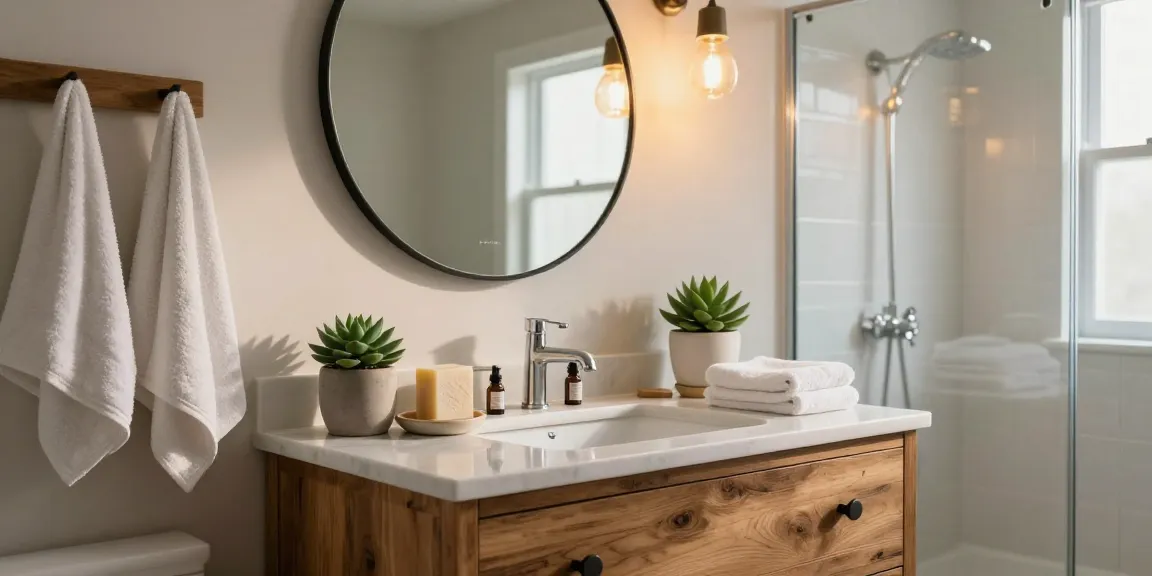
This year, we are witnessing an exciting renaissance in bathroom vanity designs. Minimalist aesthetics remain a strong contender, with clean lines and uncluttered surfaces defining many of the modern pieces available. However, we also see a resurgence of bold colors and intricate textures as homeowners express their individuality and creativity. Expect to see wooden vanities with rich stains, as well as painted finishes in striking hues like navy blue or forest green. Floating vanities are particularly popular, as they create an illusion of more space while offering a sleek, contemporary look.
Sustainable Materials and Eco-Friendly Options
With an increasing awareness about environmental impact, sustainable materials are reshaping the bathroom vanity market. Manufacturers are sourcing reclaimed wood and bamboo for their durability and eco-friendliness. Furthermore, countertops made from recycled materials, such as glass or composite stones, present sustainable alternatives to traditional materials like granite or marble. In 2026, expect to see innovative approaches to eco-design, with brands prioritizing not only aesthetics but also sustainability in their production processes.
Smart Technology Integration in Vanities
The rise of smart home technology has also reached the bathroom space. Integrated smart mirrors with touch controls, lighting adjustments, and even Bluetooth speakers are becoming commonplace. Some high-end bathroom vanities now include charging stations for devices and built-in lighting that can simulate natural daylight, enhancing the overall grooming experience. As technology becomes more intertwined with our daily routines, the bathroom vanity will undoubtedly continue to evolve, offering more advanced features to enhance usability.
Choosing the Right Bathroom Vanity for Your Space
Selecting the perfect bathroom vanity is crucial, as it serves as the centerpiece of your bathroom design. Understanding your space and needs will guide you in making the best choice for your home.
Measuring Your Bathroom Layout
The first step in choosing a bathroom vanity is to accurately measure your available space. Consider factors such as the layout of other fixtures, like toilets and showers, and the amount of traffic your bathroom faces. A good rule of thumb is to allow at least 30 inches of clearance in front of the vanity for comfortable movement. This will help you avoid purchasing a vanity that feels cramped or obstructs the flow of the bathroom.
Single vs. Double Sink Vanities
Your family's needs will significantly influence whether you should opt for a single or double sink vanity. A double sink provides more space and is ideal for larger families, reducing the morning rush when getting ready. Conversely, a single sink vanity may be more suitable for smaller bathrooms or as a part of a minimalist design in a guest bathroom. Assessing how often the bathroom will be in use will help you make a more informed decision.
Choosing the Right Finish and Hardware
The finish and hardware of your bathroom vanity can dramatically enhance its visual appeal. Choose finishes that complement the overall theme of your bathroom—whether traditional, modern, or eclectic. For instance, chrome and polished nickel offer a sleek look for contemporary spaces, while oil-rubbed bronze or antique brass can add warmth and charm to traditional designs. Ensure that the hardware is not only stylish but also functional and easy to grip.
Maximizing Functionality with Bathroom Vanities
Functionality in design is paramount, especially in bathrooms where space can often be limited. A well-designed vanity can significantly enhance both storage and usability.
Storage Solutions and Organization Tips
When it comes to storage, consider vanities with built-in drawers or open shelving to keep essentials organized. Drawer dividers can help categorize items, making it easier to find what you need. For small bathrooms, wall-mounted vanities can create additional floor space, which can be used for other storage solutions such as baskets or hooks.
Incorporating Lighting for Enhancements
Effective lighting can transform your bathroom vanity from a simple fixture to a stunning focal point. Use layered lighting strategies, including ambient lighting, task lighting for grooming, and accent lighting to highlight architectural features or decorative items. Wall sconces flanking mirrors can provide flattering light for personal grooming, while under-cabinet lighting can create a modern atmosphere.
Creating a Cohesive Design with Accessories
Accessories are essential for completing the look of your bathroom vanity. Consider incorporating decorative items that resonate with your style, such as vases, candle holders, or framed art. Additionally, matching your faucet and lighting fixtures can create a harmonious environment. Remember to balance aesthetics with practicality, ensuring that surfaces remain functional and easy to clean.
Maintenance and Care for Your Bathroom Vanity
Proper maintenance and care for your bathroom vanity can extend its life and keep it looking beautiful for years to come.
Cleaning and Upkeep Best Practices
Regular cleaning is crucial in maintaining the finish and functionality of your bathroom vanity. Use mild soapy water to clean surfaces and avoid harsh chemicals that could damage finishes. For wooden vanities, periodic application of wood conditioner can help preserve the wood's natural sheen and prevent cracking or warping.
Addressing Common Repairs and Issues
Over time, you may encounter issues such as loose hardware, scratches, or water damage. Regularly check for these problems and address them promptly. Tightening screws or replacing hardware can often solve minor issues, while deeper problems, like water damage, may require professional repair or replacement.
Protective Treatments for Longevity
Applying sealants to countertops can protect them from stains and damage caused by water. For wooden finishes, using protective treatments can help enhance durability and minimize wear. If your vanity is subject to high moisture levels, consider investing in a dehumidifier or exhausting fan to mitigate moisture and prolong the life of your vanity.
Future of Bathroom Vanities: Innovations and Predictions
The future of bathroom vanities appears promising, with innovations on the horizon that will further revolutionize bathroom design.
Technological Advancements in Vanities
As technology continues to evolve, expect to see further integration of smart features in bathroom vanities, such as temperature-controlled faucets, app-controlled lighting, and even integrated cleansing systems. These advancements will enhance comfort and convenience, making the bathroom experience more enjoyable and tailored to individual needs.
Shifts in Consumer Preferences
Trends show a significant shift towards personalization and customization in bathroom design. Many consumers are now seeking to invest in unique pieces that reflect their personality rather than opting for mass-produced products. As such, brands that offer customizable features, such as colors, materials, and designs, are likely to capture the interest of the modern homeowner.
Predicted Trends for 2030 and Beyond
Looking ahead to 2030, it is anticipated that sustainability will be a more significant focus, driving innovations in materials and manufacturing processes. Additionally, the concept of wellness-oriented bathrooms, where design promotes mental and physical well-being, will likely gain traction. This includes incorporating elements such as air quality management systems and stress-reducing features, like sound systems and ergonomic designs.
What are the best materials for a bathroom vanity?
Commonly favored materials include solid wood, plywood, and medium-density fiberboard (MDF). Each material has its benefits, such as durability, cost-effectiveness, and environmental impact.
How can I maximize storage in my small bathroom?
Use wall-mounted vanities, integrated shelving, and multifunctional furniture to enhance storage. Consider vertical solutions that utilize wall space for additional organization.
What are the latest trends in bathroom vanities?
Expect to see a blend of minimalist designs, bold colors, smart technology, and sustainable materials shaping contemporary bathrooms in 2026 and beyond.
How do I maintain my wooden bathroom vanity?
Regular cleaning with gentle cleaners and periodic application of wood conditioner can help keep wooden vanities in prime condition. Avoid excessive moisture exposure to prevent damage.
What size vanity do I need for my bathroom?
The size typically depends on your bathroom dimensions. Measure carefully and allow adequate space for movement and other fixtures. A standard family bathroom may accommodate a double vanity, while smaller bathrooms might require a single sink option.