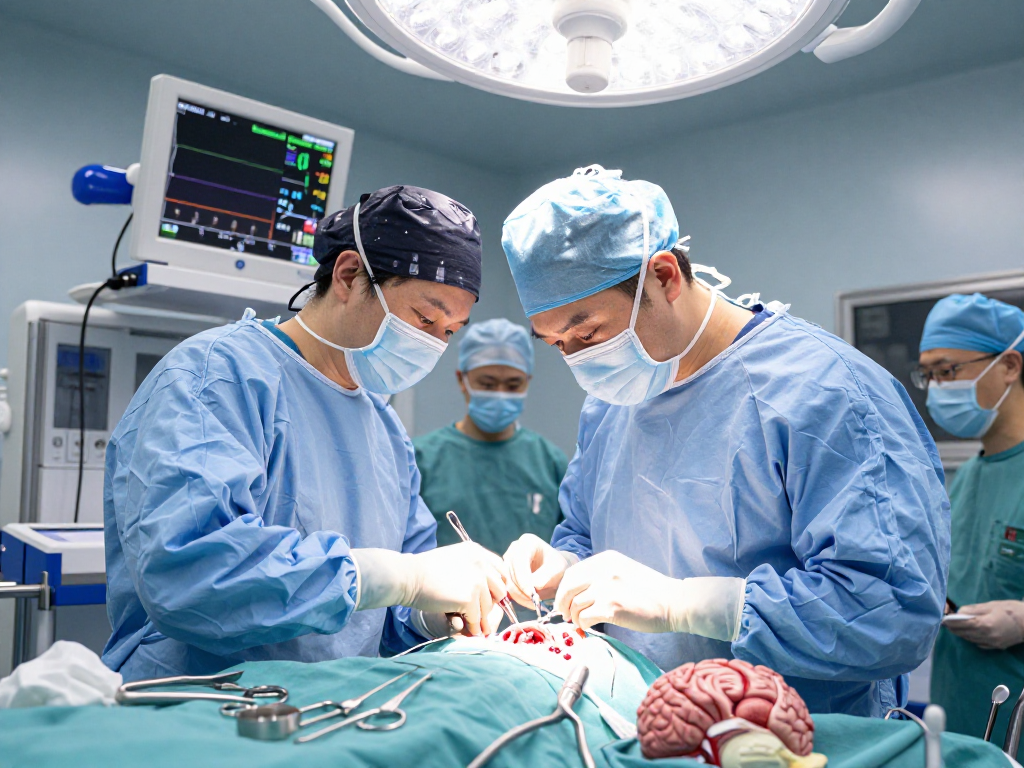
Understanding Brain Tumors and Surgical Procedures
Brain tumors can be daunting for patients and their families. With advancements in medical technology and surgical techniques, treatments such as brain tumor surgery have become more efficient and effective than ever before. Understanding the complexities of brain tumors, particularly their types, diagnosis, and the surgical procedures available, is crucial for making informed health decisions. This article will delve into essential information about brain tumor surgeries, providing insights that can help patients and caregivers navigate this challenging journey. For detailed information about the surgical process, including the different types of brain tumors, you can refer to the beyin tümörü ameliyatı resources.
What is a Brain Tumor?
A brain tumor is an abnormal growth of cells in the brain or nearby structures. These tumors can be benign (non-cancerous) or malignant (cancerous). Benign tumors generally grow slowly and often do not spread to other parts of the body, while malignant tumors can grow rapidly and invade surrounding tissues. Common symptoms include headaches, seizures, and neurological deficits, depending on the tumor's location.
Types of Brain Tumors: Meningioma and Glial Tumors
Brain tumors are classified based on their origin and characteristics. Two major types are meningiomas and glial tumors. Meningiomas arise from the meninges, the protective layers surrounding the brain and spinal cord. These tumors are typically slow-growing and often benign, but they can cause significant symptoms by pressing on the brain or spinal cord.
Glial tumors, including glioblastomas, originate from glial cells, which support and protect neurons. Glioblastoma Multiforme (GBM) is one of the most aggressive forms, known for its rapid growth and tendency to recur even after treatment.
The Importance of Accurate Diagnosis
Accurate diagnosis is critical in determining the appropriate treatment for brain tumors. Imaging studies like MRI or CT scans provide essential information about tumor size, location, and involvement of surrounding structures. A biopsy may also be necessary to confirm the tumor type and grade, guiding treatment decisions.
The Process of Beyin Tümörü Ameliyatı
Brain tumor surgeries involve a series of planned steps, from preoperative assessments to postoperative care and follow-up. Understanding this process can help alleviate anxiety and set realistic expectations for patients and their families.
Preparing for Surgery: Preoperative Assessments
Prior to surgery, a thorough evaluation includes neurological examinations, imaging studies, and sometimes blood tests to assess the patient's overall health. This ensures that the surgical team is fully informed to minimize risks during the procedure. Preoperative counseling also prepares patients for what to expect during and after surgery.
What to Expect During Surgery
During brain tumor surgery, a technique called craniotomy is often used. This procedure involves creating an opening in the skull to access the tumor. The choice of approach depends on the tumor's location and type. Advanced imaging techniques, such as neuronavigation and intraoperative ultrasound, help guide surgeons in precisely removing the tumor while preserving healthy brain tissue. The goal is not only to remove the tumor but also to minimize the risk of recurrence.
Postoperative Care and Recovery
After surgery, patients are typically monitored in a recovery unit before returning to a regular hospital room. Initial postoperative imaging, usually an MRI, is performed to assess the extent of tumor removal. Recovery time varies, but many patients can leave the hospital within a few days if no complications arise. Follow-up appointments are crucial for monitoring neurological function and managing any residual symptoms.
Innovative Techniques in Neurosurgery
Neurosurgery has evolved significantly, with innovative techniques that improve outcomes and reduce complications. These advancements include minimally invasive procedures, enhanced imaging technologies, and patient-centered surgical approaches.
Advancements in Craniotomy Techniques
Modern craniotomy techniques prioritize minimizing damage to surrounding tissues. Surgeons utilize high-definition imaging and advanced monitoring systems, allowing for real-time assessment and adjustments during surgery. These innovations contribute to shorter recovery times and better functional outcomes.
The Role of Gamma Knife in Treatment
Gamma Knife surgery is a non-invasive treatment option for certain types of brain tumors, especially those that are difficult to reach surgically. This method uses focused radiation beams to target tumor cells while sparing healthy tissue, making it an effective alternative for patients who cannot undergo traditional surgery.
Uyanık Beyin Ameliyatı: Patient Involvement during Surgery
Awake craniotomy is a specialized surgical approach used for tumors located in critical brain regions responsible for functions such as speech and movement. Keeping patients awake during parts of the operation allows surgeons to monitor brain activity and make adjustments to preserve essential functions. This technique has been shown to enhance surgical outcomes and patient satisfaction.
Risks and Considerations in Brain Surgery
While brain tumor surgery has many benefits, it is not without risks. Understanding these risks and how to manage them effectively can help in making informed decisions about treatment.
Potential Risks Associated with Beyin Tümörü Ameliyatı
Potential complications from brain surgery include infection, bleeding, and neurological deficits such as weakness, speech difficulties, or seizures. The risk of complications varies based on factors like the tumor's location, the patient's overall health, and the complexity of the procedure. A thorough preoperative assessment helps to identify potential risks and prepare appropriate mitigation strategies.
Handling Complications Effectively
In the event of complications, timely intervention can significantly improve outcomes. For instance, if a patient develops an infection, prompt antibiotic treatment can prevent further complications. Similarly, managing neurological deficits often involves rehabilitation services to support recovery and improve quality of life.
Long-Term Prognosis and Follow Up
The prognosis after brain tumor surgery depends on various factors, including tumor type, grade, and location, as well as the patient's age and health. Regular follow-up appointments allow for monitoring of any changes and timely intervention if necessary. These appointments typically include imaging studies and neurological assessments to evaluate recovery and detect any recurrence early.
Future Trends in Brain Tumor Surgery by 2026
The field of neurosurgery is constantly evolving, with emerging technologies and methodologies that promise to enhance the efficacy of treatments for brain tumors. Understanding these future trends can provide insight into how patient care will improve in the coming years.
Emerging Technologies and Surgical Approaches
Future advancements may include enhanced robotic-assisted surgeries, which can offer greater precision and reduce recovery times. Additionally, improved imaging technologies will likely allow for better tumor mapping, leading to more tailored surgical approaches.
Multidisciplinary Care: A Comprehensive Treatment Model
As brain tumor treatment becomes increasingly complex, a multidisciplinary approach involving neurosurgeons, oncologists, radiologists, and rehabilitation specialists will be essential for optimal patient care. Collaboration across specialties will ensure that all aspects of a patient's health are addressed.
Patient Education and Resources
Providing patients with comprehensive education on their condition and treatment options is critical. Educational resources, support groups, and counseling services can empower patients and their families, reducing anxiety and improving satisfaction with the treatment process.
What Are the Costs Associated with Beyin Tümörü Ameliyatı?
The cost of brain tumor surgery can vary widely based on the complexity of the procedure, the technology used, and the healthcare facility. Understanding potential costs and insurance coverage is crucial for planning. It's advisable for patients to discuss these aspects with their healthcare providers to avoid surprises.
How Long Does Recovery From a Brain Surgery Take?
Recovery from brain surgery varies based on the individual and the nature of the surgery. Many patients can return to daily activities within weeks, while others may need months for complete recovery. Personalized rehabilitation plans can help speed up the recovery process and improve functional outcomes.
What Should Patients Expect During the Follow-Up?
During follow-up visits, healthcare providers will assess recovery progress, conduct imaging studies to check for tumor recurrence, and adjust treatment plans as needed. Patients should be prepared to discuss any new or ongoing symptoms and their impacts on daily life.
Are There Long-Term Effects After Surgery?
Long-term effects can include changes in cognitive function, physical abilities, and emotional well-being, depending on tumor location and surgical impacts. Engaging in rehabilitation and support networks can aid patients in navigating these changes and improving their quality of life.
How to Choose the Right Neurosurgeon for Your Case?
Selecting a qualified neurosurgeon is critical for ensuring the best outcomes. Patients should consider factors such as the surgeon's experience, their specialization in brain tumors, and the clinic's reputation. Seeking referrals and reviewing patient testimonials can offer additional insights.
What Are the Latest Innovations in Brain Surgery?
Current innovations in brain surgery focus on enhancing patient safety and surgical effectiveness. For more information, beyin tümörü ameliyatı offers valuable insights. Techniques such as minimally invasive surgery, intraoperative imaging, and enhanced recovery protocols are examples of how the field is advancing to improve patient outcomes.